




Men’s health deserves more than a month of attention.
Khalil Rener is a sports scientist and leadership consultant who helps organisations build high-performing, supportive cultures using principles from elite sport. Speaking to Channel Eye, he shares why men’s health at work needs to shift from crisis response to everyday readiness – and how managers can lead that change.
Every November, we see organisations rally behind men’s health – and that’s brilliant.
But too often, the focus is still on crisis. Conversations about suicide prevention, poor mental health, and vulnerability are crucial – they save lives. But if that’s all we talk about, we’re only reaching the small percentage of men already/close to struggling.
The real opportunity to move the needle lies with the majority of men who aren’t in crisis –those who want to perform well, lead well, and feel good doing it, but don’t always know how to sustain that balance. That’s where workplaces can have the biggest impact.
Make health engaging, not heavy
The most effective health and performance sessions don’t start with the negatives. They start with energy, focus, and readiness – the ingredients of high performance.
They ask:
- “How do you want to be feeling”?
- “What does your best self look like?”
- “And what helps you get there?”
The aim isn’t to preach wellbeing. It’s to help men understand the link between how they look after themselves and how well they perform – at work, in life, and in leadership. And to check in with themselves as often as possible.
That might mean creating an action plan to manage stress more effectively, build resilience, or sharpen focus. It could be reviewing time management, learning to delegate better, saying no when needed, or re-establishing exercise, nutrition, and sleep routines.
And yes – it also means getting the basics right around prevention. Testicular and prostate cancer checks are simple, quick, and life-saving. Encourage your men to check themselves, attend screenings, and take those small, proactive steps.
When health is made engaging, competitive, and measurable, people don’t just attend – they commit.
As an example, recently, I was speaking with Fritz Geuder, Head of Health and Fitness for a global sports brand with their HQ in Germany. They’ve built a fantastic year-round wellbeing strategy with toolkits, health checks, live workshops, and videos ranging from short-form content to in-depth masterclasses. Alongside these, they run engaging monthly initiatives – and for Mental Health Month, they’re raising money for men’s health through a challenge where employees donate €10 for two footballs; for every goal scored, they earn a raffle ticket to win VIP Champions League tickets.
It’s fun, competitive, and inclusive – but more importantly, it creates a great platform for health/readiness conversations. Fun catalysts like this are great – but the key is sustaining that year-round culture of encouragement and accountability, not just a once-a-year push.
Measure what matters
If you really want to make progress, guesswork won’t cut it. The most effective organisations collect data – before, during, and after interventions.
Ask the right questions:
- “How are men in your workplace feeling about their health, focus, and performance?”
- “Are they engaging with existing benefits and resources?”
- “What’s actually improving after initiatives or training?”
Getting an initial pulse and remeasuring over time doesn’t just show impact – it builds accountability and momentum.
It helps clients combine performance data with people data to track real change, because when you measure energy, focus, and engagement the same way you measure sales or output, health stops being a side topic – it becomes strategy.
Managers shape the culture
Culture change happens through leadership. Managers who can confidently connect health to performance – rather than separating the two – make the biggest difference.
That’s why the best programmes help managers create environments where staff have the clarity and autonomy to do what they need to stay at their best.
It’s not about telling people to slow down or take time off. It’s about encouraging discipline, structure, and ownership:
- “What’s your plan to manage pressure this month?”
- “How are you setting yourself up to perform at your best?”
When managers frame those conversations through readiness and performance engagement skyrockets.
Practice what you preach
I see the results of this approach every day – in my clients, and in myself. When I’m consistent with my training, sleep, planning, and nutrition, my energy, focus, and performance are completely different.
And when I let those things slide, I feel it – in my output, clarity, and motivation. It’s the same for teams and organisations. Across thousands of participants, the pattern is clear: when individuals take responsibility for their readiness, and leaders empower them to do so, both performance and wellbeing rise together.
Redefining men’s health at work
If you’re an HR lead or manager who wants to make men’s health meaningful, stop starting with crisis. Start with readiness.
Help people understand that looking after their health isn’t a soft skill – it’s a performance advantage. When you create cultures where people feel energised, focused, and in control, everyone wins – the individual, the team, and the organisation.
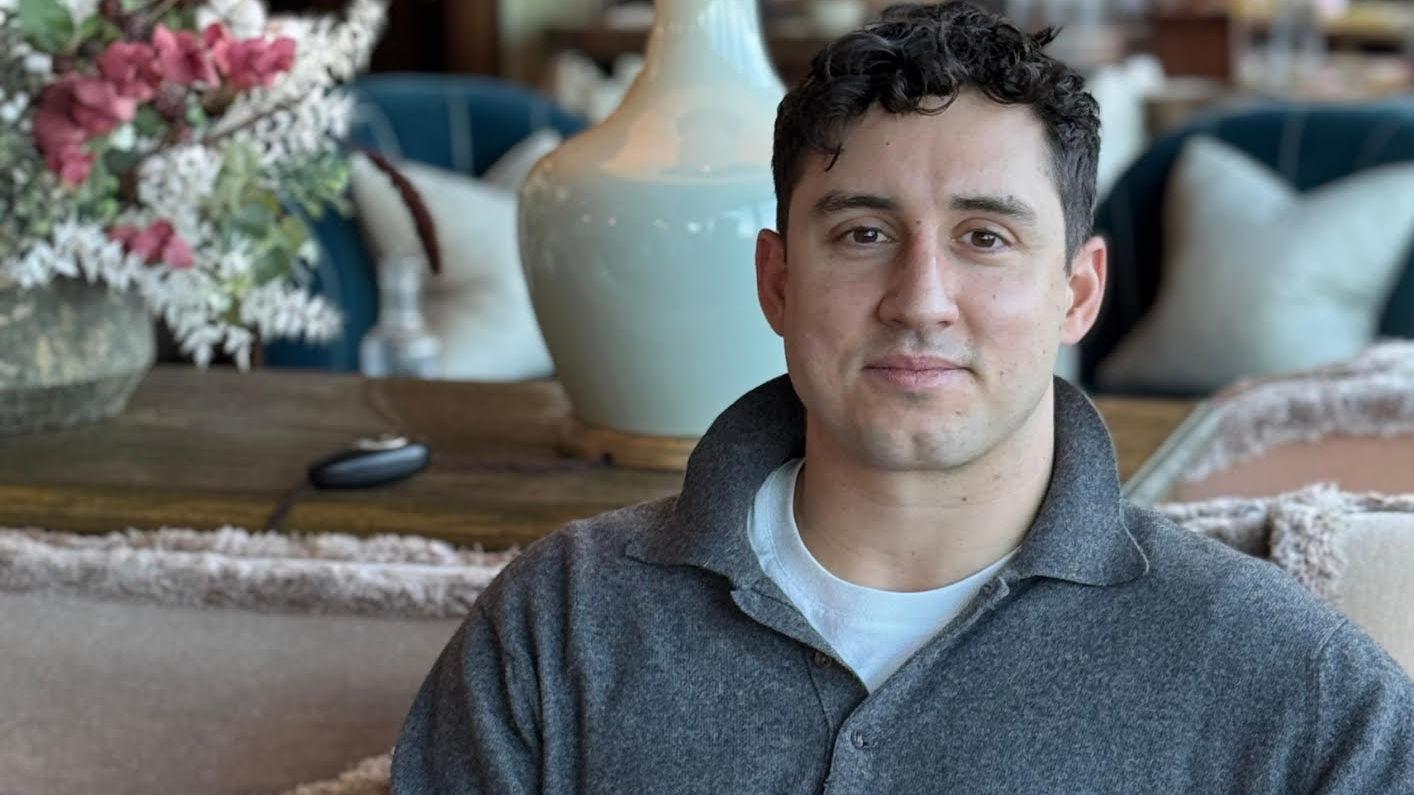
Khalil Rener (pictured) is a sports scientist and leadership consultant. Moving from Edinburgh to Jersey in December, he helps organisations and teams apply the principles of elite sport to build high-performing, supportive cultures where people thrive and deliver.
link
More Stories
Mental health in the workplace at Sioux Center chamber | Sioux Center News
Are In-House Therapists at Work a Good Idea? Diving Into Mental Health Musings
10 mental health facts every employer needs to know in 2026