





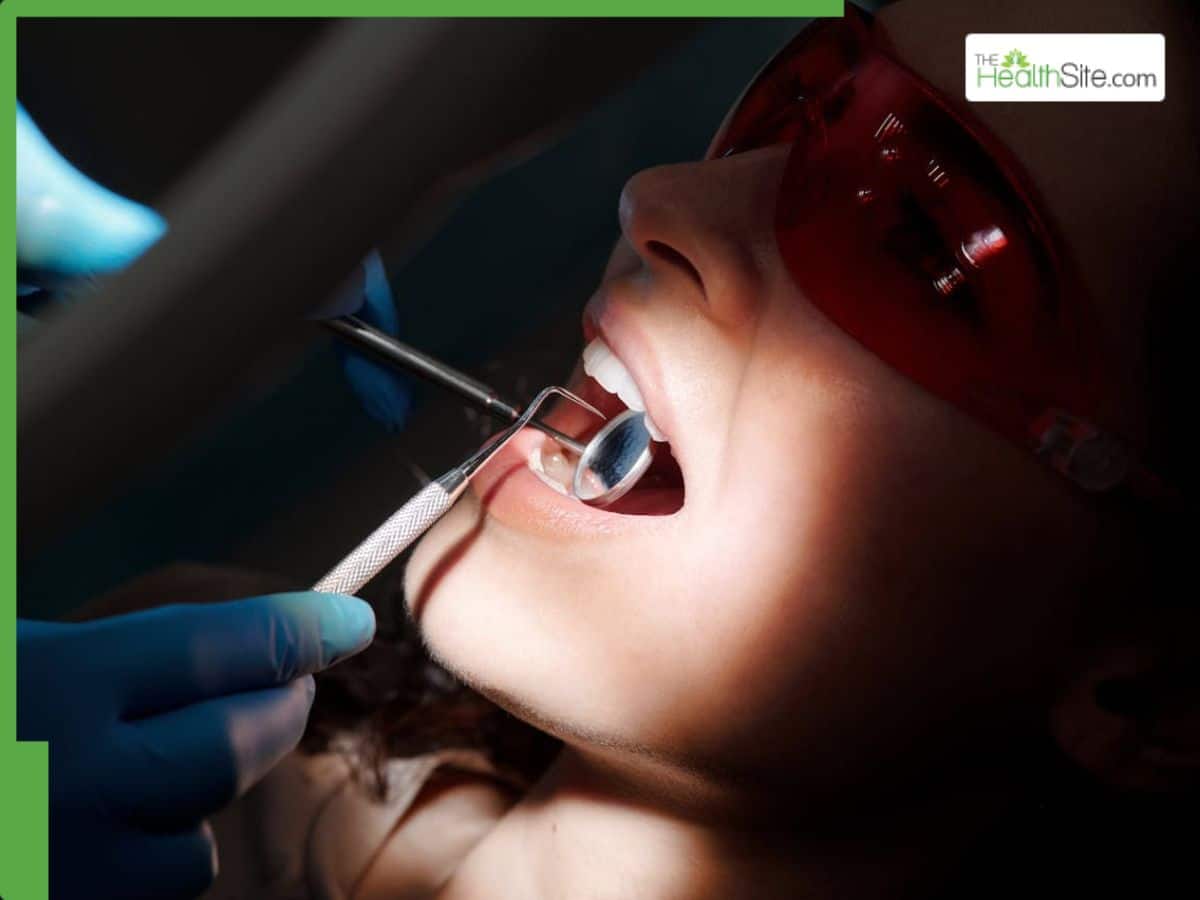
New findings published on the Journal of the American Heart Association (JAHA) on August 6, 2025 revealed that bad oral hygiene may be connected to heart attack.
A cardiovascular disease is one of the common causes of death worldwide. According to the World Health Organization (WHO), about 19.8 million people died from CVDs in 2022, representing approximately 32% of all global deaths, where as 85% were due to heart attack and stroke.
Heart attacks usually occur due to interrupted blood flow to the brain. This incident happens when there is a build-up of fatty deposits on the inner walls of the blood vessels that supply the heart or brain. Apart from it, heart attacks have long been linked to poor diet, smoking and hypertension. Interestingly new study suggests that oral bacteria may also play a significant role in fatal heart attacks.
Mouth Bacteria, Viridans Streptococci, Can Cause Heart Attack
In a study published in the Journal of the American Heart Association (JAHA) on August 6, 2025, researchers from Finland reveal that mouth bacteria, mainly Viridans Streptococci, can trigger a chain reaction that impacts the arteries and subsequently causes a heart attack.
The findings were concluded by analysing coronary plaque from 121 individuals who lost their lives outside of hospitals and artery samples from 96 vascular surgery patients. The researchers detected bacterial DNA in nearly half the cases, with viridans streptococci being the most common bacteria found, appearing in 42% of coronary plaques and 43% of surgical samples.
What Are Biofilms?
Finland researchers conducted the analysis using bacterial real time quantitative polymerase chain reaction, immunohistochemistry, and genome wide expression analysis. It shows that a simple bacteria turn into a major health hazard as it settles in atherosclerotic plaques and forms biofilms, a bacterial communities that shield antibiotics from reaching and sometimes even immune cells (macrophages) can’t detect.
What Happens When Plaques Rupture?
When plaque ruptures, bacterial particles are released, triggering a significant immune response. As a result, this inflammation can destabilise arterial walls and cause sudden rupture, leading to heart attacks. According to laboratory tests, the Viridans Streptococci strain, TLR2 was the most activated bacterial-signalling pathway that contributes to arterial inflammation.
How To Protect Oral Health?
This breakthrough underscores the importance of oral hygiene in reducing the risk of cardiovascular disease. Follow these essential tips outlined by the Centere for Disease Control and Prevention (CDC) to prevent the formation of bacterial biofilms in arteries:
- Avoid food and drinks with added sugar as much as possible. They contribute to oral diseases and other chronic diseases.
- Drink fluoridated tap water and brush your teeth with fluoride toothpaste.
- Practice good oral hygiene. Brush your teeth well twice a day and floss between your teeth to remove dental plaque.
- Wear a mouthguard when participating in contact sports or high-risk activities.
“Good oral health helps you enjoy life. It lets you: speak clearly; taste, chew, and swallow delicious and nutritious foods; and show your feelings through facial expressions such as smiling,” the National Institute of Health (NIH) explains.
“If you protect your oral health with good oral hygiene practices (brushing and flossing), the odds are in your favour that you can keep your teeth for a lifetime.”
Follow TheHealthSite.com for all the latest health news and developments from around the world.
FAQs
How Long Should I Brush My Teeth Each Time?
Ensure to brush your teeth for at least two minutes each time.
What Is Viridans Streptococci?
Viridans Streptococci (VS) are a group of bacteria that are harmless but can cause several systemic diseases, such as endocarditis, abscesses, and septicemia.
What Is Gum Disease?
Gum disease is an infection of the gums caused by plaque buildup.
How Often Should I Visit The Dentist?
You should visit your dentist at least once in 6 months.

Don’t Miss Out on the Latest Updates.
Subscribe to Our Newsletter Today!

link
More Stories
Dental Services Market: Cosmetic Dentistry Demand, Smile Makeovers & Market Forecast
In HelloNation, Dental Expert Dr. Mark Luvisotto of Windsor, ON, Explains Services Covered Under the Canadian Dental Care Plan
Press Release: Durbin Announces $3.5 Million Federal Funding for Parkland College Dental Education Program